


Meta description: Join the Saskatoon Photography Club on October 13 for Jannik Plaetner’s Street Photography presentation, then plan ahead for four important submission dates. URL slug: next-week-at-the-club-street-photography-jannik-plaetner-deadlines Street photography starts with paying attention. A glance across a busy sidewalk. A reflection in a shop window. A strong shadow, an unexpected gesture, or two unrelated moments lining up perfectly. The city is full of photographs, but you have to be ready to see them. Next Tuesday, October 13, we’ll spend the evening exploring street photography with Saskatoon photographer Jannik Plaetner. We’ll also look ahead to a live shoot, a street photography photo review, and four important submission dates. Here’s your plan for the week, and the weeks ahead. Tuesday, October 13: Street Photography with Jannik Plaetner Join us for “Street Photography,” a presentation by Jannik Plaetner of Saskatoon. Date: Tuesday, October 13, 2026 Presentation: 7:00 p.m. Doors open: 6:30 p.m. Location: McClure United Church, 4025 Taylor Street East, Saskatoon Access: Use the east door nearest the parking lot Parking: Free parking Accessibility: Step-free access This presentation is a great opportunity to think differently about the everyday spaces around you. Street photography isn’t limited to photographing people. It can include architecture, light, reflections, signs, shadows, movement, humour, contrast, and quiet moments. The strongest images often come from observation and timing. You might wait for a person to enter a patch of light, notice a visual connection between a passerby and a billboard, or find an unusual reflection that changes the way a familiar street looks. Read the event details for Street Photography. What should you bring? Bring your usual notebook, camera or phone, and a willingness to look closely. You don’t need a particular camera or lens to begin exploring street photography. Your most important tools are curiosity, patience and awareness. As you listen, consider: How does the photographer find a strong moment? What makes an ordinary scene feel worth photographing? How can light and shadow create structure? When does a photograph tell a story without explanation? How can you simplify a busy scene? The evening is also a useful starting point if you’re thinking about entering the upcoming Street Photography Photo Review. Looking ahead: Live Shoot on October 20 One week later, on Tuesday, October 20 at 7:00 p.m., we’ll put some of these ideas into practice during the Live Shoot. Street Photography. The shoot will take place at a downtown location. Check the event page and the club calendar for the latest details. This is your chance to move from discussion to practice: Watch how light changes across a street or building. Look for gestures, patterns and brief interactions. Try photographing both busy scenes and quiet details. Experiment with framing through doorways, windows or other openings. Make several photographs from one location before moving on. You don’t have to come away with a perfect image. Give yourself permission to experiment. Street photography improves through repetition: observe, photograph, review, and try again. Four deadlines to circle All online submissions close at...
- October 6, 2026
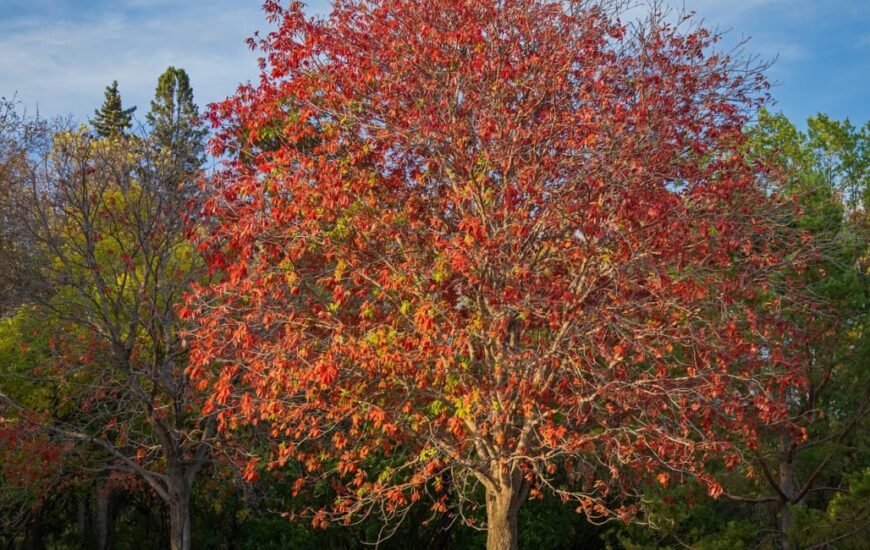
Category: Club News Meta description: Discover October 2026 events at the Saskatoon Photography Club, including presentations, competitions, a fall field trip and a street photography live shoot. URL slug: october-2026-saskatoon-photography-club-events October is here, and there’s plenty happening at the Saskatoon Photography Club. This month brings a mix of photography presentations, competition deadlines, a full-day fall field trip and a hands-on street photography live shoot. Whether you’re a long-time member, a beginner with your first camera or a smartphone photographer looking for a welcoming photography group, you’ll find several ways to learn, practise and connect. Here’s what to put on your calendar. October at a Glance October 1, 10:00 p.m.: CAPA Nature / Wildlife submission deadline October 3, 9:00 a.m.: Fall Field Trip around Outlook and Lake Diefenbaker October 6, 7:00 p.m.: Presentation: The Camera Doesn’t Get The Last Word October 8, 10:00 p.m.: Fall Competition – Animal submission deadline October 13, 7:00 p.m.: Presentation: Street Photography October 20, 7:00 p.m.: Live Shoot: Street Photography For the latest details, visit the Saskatoon Photography Club calendar. Online submissions close at 10:00 p.m. Saskatoon local time on the published deadline date. Meetings and Presentations Our regular club meetings take place on selected Tuesdays from September through April, typically from 7:00 to 9:00 p.m. Doors usually open at 6:30 p.m. October’s evening meetings are held at: McClure United Church4025 Taylor Street EastSaskatoon Use the east door nearest the parking lot. Free parking is available, along with step-free access and accessible washrooms. October 6: The Camera Doesn’t Get The Last Word Tuesday, October 6, 2026, at 7:00 p.m. Join us at McClure United Church for a presentation by John Perret of Saskatoon, titled The Camera Doesn’t Get The Last Word. It’s a great evening to step back from camera settings and think about the creative decisions that shape a photograph. Your camera records the image, but your choices about timing, perspective and intention help determine what the image communicates. View the October 6 presentation details October 13: Street Photography Tuesday, October 13, 2026, at 7:00 p.m. Street photography is the focus of this presentation by Jannik Plaetner of Saskatoon, also at McClure United Church. The evening will lead into our October 20 live shoot, making it a useful opportunity to think about how you approach public spaces, everyday moments and changing light before heading downtown with your camera. View the Street Photography presentation details Competitions and Submission Deadlines October includes two important online cutoffs. If you’re submitting an image, give yourself time to select your photograph, check the requirements and complete the process before the deadline. October 1: CAPA Nature / Wildlife Submission Deadline: October 1, 2026, at 10:00 p.m. Members can submit one digital “Nature / Wildlife” entry for the CAPA Club Competition. This is an online submission deadline for members. Visit the CAPA Nature / Wildlife submission event page for details, or use the club’s Submissions page. The Saskatoon Photography Club is affiliated with both CAPA, the Canadian Association for Photographic Art, and...
- October 1, 2026
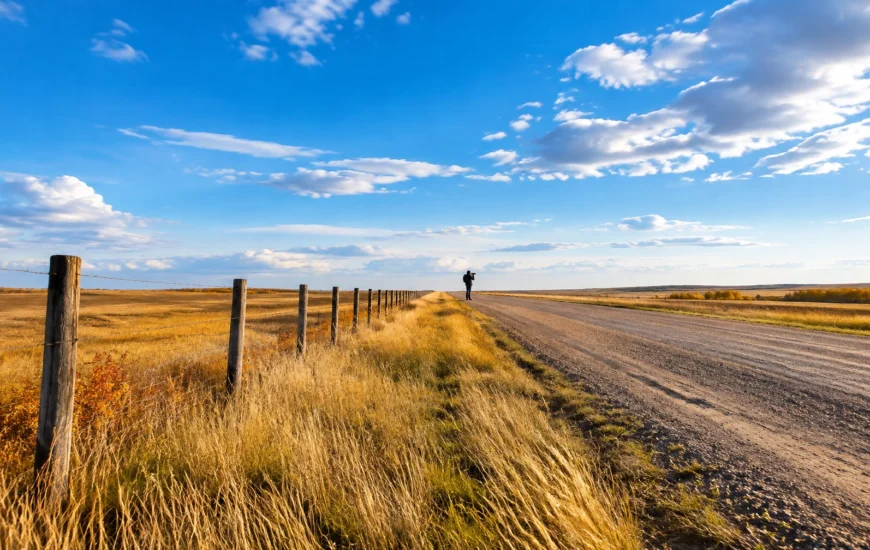
SEO title: Leading Lines in Photography: A Simple Guide to Stronger PhotosMeta description: Learn how to use leading lines in photography to guide the viewer’s eye, create depth, and build stronger compositions with roads, fences, shorelines, shadows, and patterns.URL slug: /photography-tips/leading-lines-photography/ Introduction Give the eye somewhere to go. That is the basic idea behind leading lines photography. A leading line is an actual or implied line within your frame that guides the viewer’s attention through the image, usually towards your main subject. You can find leading lines almost anywhere: a road stretching across the prairie, a fence disappearing into the distance, a shoreline curving around a lake, or a patch of light crossing a dark floor. Once you begin looking for them, ordinary scenes become full of compositional possibilities. Leading lines can help you: Direct attention towards your subject Create depth in a flat photograph Add movement and visual energy Connect the foreground, middle ground, and background Tell a clearer visual story You do not need specialised equipment to use this technique. You need to notice the lines already around you, then position yourself with intention. Welcome to the first article in the Saskatoon Photography Club’s weekly Photography Tip series. Each Thursday, we’ll explore practical ideas that can help you capture, share, and improve your photography. What Are Leading Lines? Leading lines are visual elements that guide the viewer’s eye from one part of a photograph to another. They often begin near the edge or bottom of the frame and move towards a subject, but they do not have to follow a perfectly straight path. A line might be: Straight, such as a road, railing, or building edge Curved, such as a shoreline, river, or winding path Diagonal, creating movement and energy Converging, with two or more lines meeting near your subject Implied, formed by shadows, repeated objects, or a person’s gaze The line itself does not have to touch the subject. It simply needs to create a visual relationship between the viewer’s starting point and the photograph’s main point of interest. Think of it as a path through the image. Where does the eye enter? What does it notice next? Where does it finally come to rest? Where to Find Leading Lines Roads, paths, and walkways Roads and paths are classic examples because they naturally create depth. A road that appears wide in the foreground and narrows towards the horizon can pull the viewer into the scene. Try standing off-centre rather than placing the road directly in the middle. A diagonal road can feel more dynamic, while a centred road can create symmetry and a strong sense of direction. Fences and railings Fence posts, bridge railings, and stair rails often form repeated lines that point towards a distant subject. Their regular spacing also creates rhythm. Look for a person, tree, building, or other focal point where the fence or railing seems to end. Be mindful of safety around roads, railways, and private property. Shorelines and rivers Water creates some...
- October 1, 2026
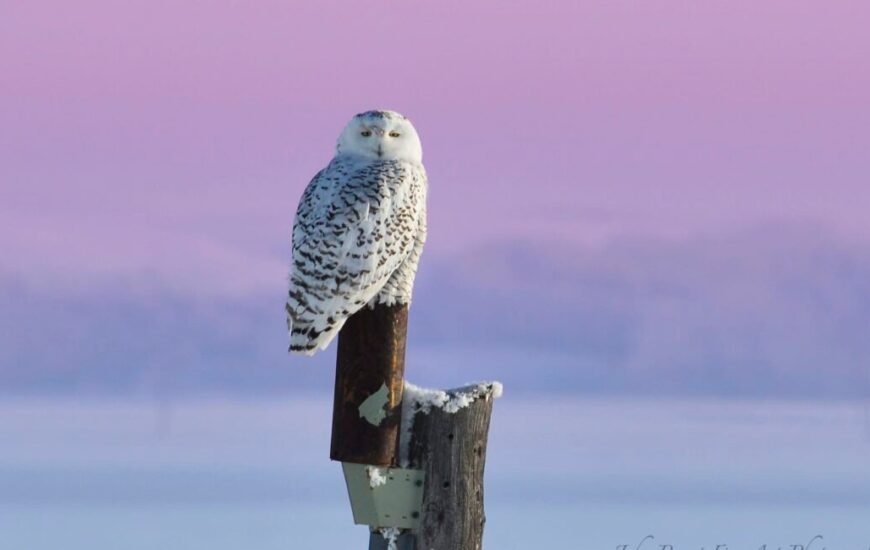
Meta description: Join the Saskatoon Photography Club for John Perret’s presentation, a fall field trip and three important photo submission deadlines in October and November. URL slug: next-week-at-the-club-john-perret-fall-field-trip-deadlines It is a full week for photography at the Saskatoon Photography Club! You have a presentation to attend, a fall field trip to enjoy and three submission deadlines to keep on your radar. Whether you are preparing your first competition entry or simply looking for a reason to get outside with your camera, there is plenty to take part in. Here is what is coming up. Tuesday, October 6: John Perret presents “The Camera Doesn’t Get The Last Word” Our main event next week is a presentation by John Perret of Saskatoon, titled “The Camera Doesn’t Get The Last Word.” Join us on: Tuesday, October 6, 2026 7:00–9:00 p.m. McClure United Church 4025 Taylor Street East, Saskatoon View the event details for John Perret’s presentation. The title alone gives us something to think about. Photography does not end when you press the shutter. Your choices after capture (how you select, interpret and present an image) can shape the final story just as strongly as the original moment. Come ready to listen, look closely and consider how your own creative decisions influence a photograph. Meeting details Meetings take place at McClure United Church. Use the east door nearest the parking lot. Doors open at 6:30 p.m., and meetings typically run from 7:00–9:00 p.m. There is: Free parking Step-free access A welcoming environment for photographers at every experience level New to the club? You are welcome to join us. Your first meeting is free to try. Check the full club calendar for upcoming presentations, competitions and outings. Saturday, October 3: Fall Field Trip around Outlook and Lake Diefenbaker Before Tuesday’s presentation, we will be out photographing the changing season on the Fall Field Trip. This is a full day of fall photography around Outlook and Lake Diefenbaker, with several planned stops along the way. Fall Field Trip details Saturday, October 3, 2026 Meet at 9:00 a.m. Meeting point: Western Development Museum in Saskatoon Expected return: Approximately 3:00–3:30 p.m. Contact: Howard Ruston, 306-717-1004 The outing includes photo stops and a coffee and washroom break at Prairie Bean Roastery. Planned locations include Spring Creek Church and its old windmill, Outlook’s old steel pedestrian bridge, Danielson Park, Gardiner Dam, a bison farm, old yard sites and the grain elevators at Glenside. Bring your camera, comfortable clothing and anything you need for a day on the road. Fall light can change quickly, so watch for opportunities in both open landscapes and smaller details: colourful vegetation, weathered structures, reflections, textures and the lines created by roads, bridges and grain elevators. View the Fall Field Trip event page for the latest details. Remember, the images you make on this outing are the ones you can later enter in the Fall Field Trip competition. You will have until November 26 to choose your entry, so do not feel you need to...
- September 29, 2026

Meta description: Join us September 29 for AI for Photographers and Members Orientation, then plan for key CAPA, field trip and Fall Competition deadlines. URL slug: next-week-ai-photographers-members-orientation-fall-deadlines Mark your calendar: Tuesday, September 29 Next week brings a practical, welcoming evening for members, guests and prospective members. Join us for AI for Photographers + Members Orientation on: Tuesday, September 29, 2026 7:00–9:00 p.m. McClure United Church 4025 Taylor Street East, Saskatoon Doors open at 6:30 p.m. Free parking East door nearest the parking lot Step-free access The evening is free to attend, and newcomers can try their first meeting for free. Whether you are picking up a camera for the first time, returning to photography after a break or working towards national-level competitions, you are welcome here. View the full event details for AI for Photographers + Members Orientation What we’ll cover This Education-category meeting has two useful parts. A quick look at the new website refresh We’ll take a look at the club’s refreshed website and walk through how to submit entries. If you have ever wondered where to find a competition deadline, how to choose the correct event or where to upload your image, this is a good opportunity to get oriented. You can also review the process ahead of time through the club’s submissions page. Online submissions close at 10:00 p.m. Saskatoon local time on the published deadline date. Growing as a photographer using AI Next, we’ll look at how you can grow as a photographer using AI. Hosted by Scott Prokop, the discussion will focus on learning and development rather than replacing your creative judgement. AI is becoming part of the photography conversation. Used thoughtfully, it can help you explore ideas, organize your learning and ask better questions about your creative process. The photographer still brings the intention, observation and decision-making that shape a meaningful image. Come ready to learn, listen and consider how new tools might support your own photography journey. Fall deadlines to keep close The next few weeks include several opportunities to make photographs, share your work and participate in club and CAPA-affiliated activities. Here are the key dates. CAPA Nature / Wildlife The first deadline is for one digital “Nature / Wildlife” entry for the CAPA Club Competition. DEADLINE: Thursday, October 1, 2026, at 10:00 p.m. Saskatoon local time Submit your entry through the club’s online submissions page. You can also review the CAPA Nature / Wildlife competition details and the CAPA competition information. CAPA opportunities connect our club community with national recognition through our CAPA affiliation. They are a chance to share your work beyond the club while continuing to learn from the experience of preparing and submitting an image. Fall Field Trip: Outlook and Lake Diefenbaker On Saturday, October 3, we’ll spend the day photographing the fall landscape around Outlook and Lake Diefenbaker. Schedule details: Meet at: Western Development Museum in Saskatoon Departure: 9:00 a.m. Expected return: Approximately 3:00–3:30 p.m. Contact: Howard Ruston, 306-717-1004 Planned stops include: Spring Creek Church and...
- September 22, 2026

There’s plenty to look forward to with the Saskatoon Photography Club this week and next. You can join us for a photo walk, enjoy an evening of sports photography and storytelling, prepare images for upcoming competitions, or make plans for our fall field trip. Whether you’re a long-time member, a prospective member, or simply looking for a welcoming photography club in Saskatoon, you’re invited to take part. Here’s what’s coming up. This Saturday: CAPA Coast to Coast Photo Walk Saturday, September 19, 2026 · 9:00 a.m. We’re joining photographers across Canada for the CAPA Coast to Coast Photo Walk 2026 — Saskatoon. Meet at the Saskatoon Weir on Spadina Crescent East at 9:00 a.m. The walk is open to everyone: CAPA members Saskatoon Photography Club members Guests and non-members Curious beginners Smartphone photographers and experienced camera users Bring a camera of any kind — even a smartphone — and bring a friend. A route through nature and the city The planned route will loop from the Saskatoon Weir: Across the CP train bridge Along the east riverbank Across the Broadway Bridge into downtown Back along the west riverbank Returning to the weir There will be plenty of opportunities for river views, bridges, urban scenes and changing perspectives along the way. A lunch stop in Rotary Park is likely, so you can plan to stay for part or all of the outing. Walk lead: Cathleen Mewis You can find the full details on the CAPA Coast to Coast Photo Walk event page. Next Tuesday: Memories of the Grey Cup Tuesday, September 22, 2026 · 7:00–9:00 p.m. Our next Tuesday meeting features “Memories of the Grey Cup”, a photographic journey of the Grey Cup in Regina told by local professional CFL photographers: Liam Richards Matt Smith Derek Mortensen Steve Hiscock If you enjoy sports photography, live events, documentary work or visual storytelling, this is a night you won’t want to miss. The presentation will offer a look at the Grey Cup through the eyes of photographers who work in the fast-moving world of Canadian football. Meeting details Location: McClure United ChurchAddress: 4025 Taylor Street East, SaskatoonDoors open: 6:30 p.m.Meeting: 7:00–9:00 p.m.Parking: Free parking is availableEntrance: Use the east door nearest the parking lotAccess: Step-free access is available Come early, get settled and connect with fellow photographers before the presentation begins. Check the club calendar for this and other upcoming events. Deadline reminder: Nature / Wildlife Thursday, October 1, 2026 · 10:00 p.m. Saskatoon time You have about two weeks to choose and submit your best image for the CAPA Nature / Wildlife Club Competition. Members may submit one digital “Nature / Wildlife” entry. If you already have a strong candidate in your files, now is a good time to review it carefully. Look at the subject, light, background, focus and overall impact. If you’re still deciding, consider setting aside a little time this week to compare your strongest options. Deadline callout: Submit by Thursday, October 1 at 10:00 p.m. Saskatoon time. Use...
- September 15, 2026