

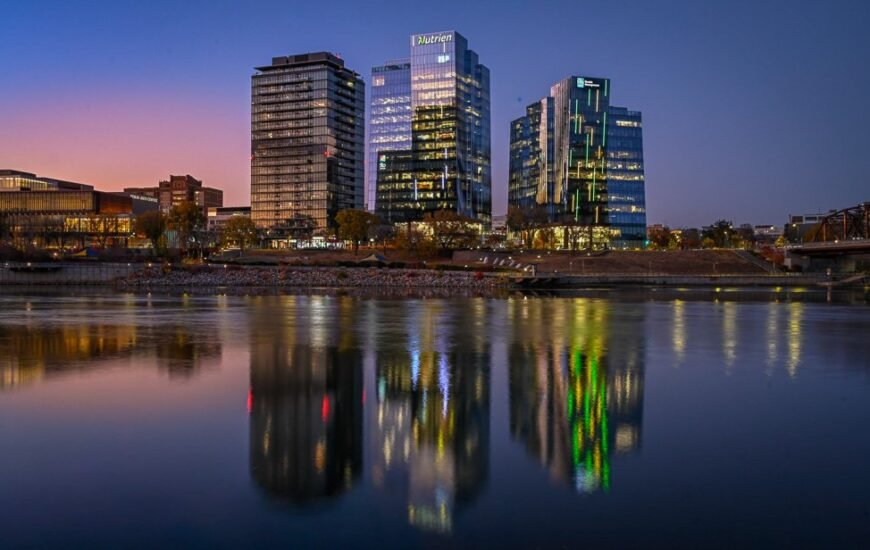
A new season is almost here! Whether you are picking up a camera for the first time, returning for another year, or already preparing images for national competition, next week is a great time to reconnect with photography in Saskatoon. Our season begins with Club Information Night on Tuesday, September 15, followed by the CAPA Coast to Coast Photo Walk on Saturday, September 19. We also have several important October deadlines to keep on your radar. Bring a friend. Choose a few images early. And make sure these dates are in your calendar. Start the Season at Club Information Night Tuesday, September 15, 2026 · 7:00–9:00 p.m. McClure United Church4025 Taylor Street East, Saskatoon View the full Club Information Night details Doors open at 6:30 p.m., and the meeting begins at 7:00 p.m. Please use the east door nearest the parking lot. Free parking is available in the church lot. Once inside, turn left and follow the hallway to the main hall. The entrance is wheelchair accessible, with step-free access and accessible washrooms. This is our first meeting of the season and a friendly introduction to how the club works. We will introduce the board and share what is coming up, including: Presentations and learning opportunities Live Shoots Photo Reviews and critiques Competitions and judging Field trips and photo outings Club activities and ways to participate This is an information night, not a guest-speaker presentation. It is your chance to see what the club offers, meet other photographers, and get a clear picture of the season ahead. New to the club? You are welcome. Guests and prospective members are invited to attend. No registration is required, and your first eligible regular visit is free. You do not need an expensive camera or years of experience. Bring your DSLR, mirrorless camera, compact camera or smartphone. We welcome beginners, smartphone photographers, hobbyists, students, advanced photographers and working professionals. You can simply come, listen and meet people. Or jump right in and start planning your first competition entry. There is room for both. Get Outside for the CAPA Coast to Coast Photo Walk Saturday, September 19, 2026 · 9:00 a.m. Meeting point: Saskatoon Weir, Spadina Crescent East View the CAPA Photo Walk event page The Canadian Association for Photographic Art’s Coast to Coast Photo Walk brings photographers together across the country. Our Saskatoon walk is open to everyone: CAPA members Saskatoon Photography Club members Guests and non-members Experienced photographers Curious beginners Smartphone photographers The walk begins at the Saskatoon Weir and follows a route that combines river views, natural areas and urban scenes: Start at the Saskatoon Weir on Spadina Crescent East. Cross the CP train bridge to the east riverbank. Follow the riverbank toward the Broadway Bridge. Cross the Broadway Bridge into downtown. Return along the west riverbank to the weir. You can shoot at your own pace. Spend an hour with us, stay for the morning, or make a full day of it. There will be plenty of opportunities to photograph...
- September 8, 2026

Club information updated September 7, 2026: Regular meetings are on selected Tuesdays from September through April at McClure United Church, 4025 Taylor Street East. Doors typically open at 6:30 p.m.; meetings run from 7 to 9 p.m. Check the current calendar for dates and attendance requirements. Can you feel that crisp autumn breeze in the air? As our relaxing summer break comes to a close, we are beyond thrilled to welcome you back for what promises to be our most extraordinary season yet! Whether you have spent your summer chasing golden hour light across the prairies, capturing vibrant wildflowers, or simply keeping your camera safely tucked away in your bag, it is time to dust off your gear and get ready to elevate your craft together. Here at the Saskatoon Photography Club, our vibrant community is gearing up for a monumental few months. From celebrating a historic milestone to kicking off an incredible lineup of Tuesday night meetings, expert presentations, and thrilling competitions, there has never been a better time to be part of our creative family. Let’s dive into everything we have lined up for you this fall so you can mark your calendars and jump right in! 🎉 Celebrating 90 Years of Capture, Community, and Creativity! This fall marks a monumental chapter in our club’s history: our 90th Anniversary! For nearly a century, local photographers of all skill levels have gathered through our community to share stories, master new techniques, and celebrate the art of visual storytelling across Saskatchewan. We want YOU to join us for this once-in-a-lifetime milestone celebration! When: Sunday, September 6, 2026, from 2:30 pm to 5:30 pm Where: McClure Place, 4025 Taylor St E, Saskatoon Format: A relaxed, come-and-go afternoon tea celebration connecting past and present members. Come mingle with fellow shutterbugs, view retrospective galleries celebrating nine decades of local photography, and share your favorite camera stories over coffee and treats. Be sure to secure your spot by registering via the Eventbrite link on our website! 🗓️ Your Tuesday Nights: What’s Coming Up This Fall We meet on selected Tuesdays at 7:00 pm from September through April at McClure United Church, 4025 Taylor Street East. Our scheduled gatherings are designed to inspire, educate, and connect you with passionate peers who share your love for photography. Here are the key dates to circle on your calendar right now: 1. Club Information Night (Our First Official Meeting) Date: Tuesday, September 15, 2026 at 7:00 pm Location: McClure United Church Are you a newcomer wondering what the club is all about? Your first meeting is completely FREE! Join us for our season kickoff where our Board will introduce themselves and walk you through everything we have planned. Learn all about our upcoming presentations, hands-on clinics, image critiques, judged competitions, and special interest groups. Whether you are a beginner picking up your first DSLR or an advanced pro looking for community, we would love to welcome you! 2. Memories of the Grey Cup: A Special Presentation Date: Tuesday,...
- August 4, 2026
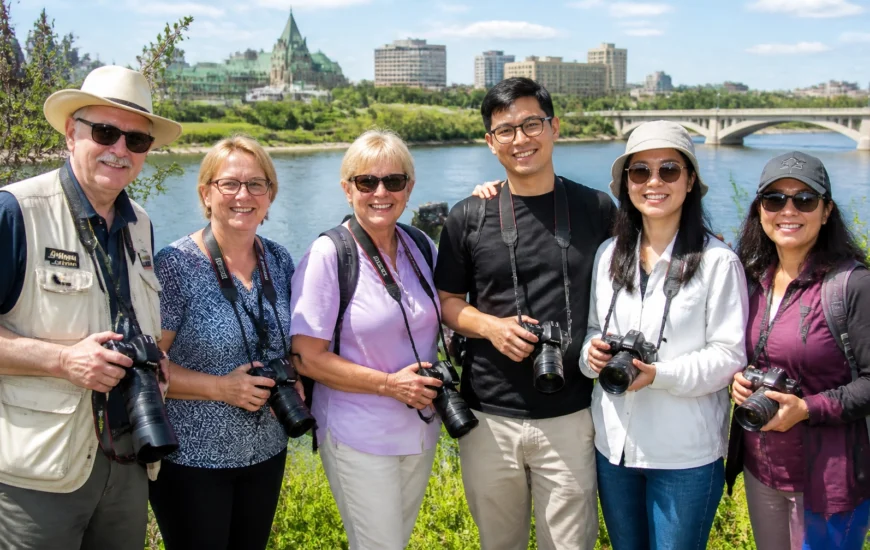
Club information updated September 7, 2026: Regular meetings are on selected Tuesdays from September through April at McClure United Church, 4025 Taylor Street East. Doors typically open at 6:30 p.m.; meetings run from 7 to 9 p.m. Check the current calendar for dates and attendance requirements. As the warm summer sun shines down on our beautiful city, August brings a special kind of energy to our photography club saskatoon community! While our regular indoor Tuesday evening meetings at Mayfair United Church take a well-deserved summer pause, our cameras certainly don't rest. August is a fantastic time for outdoor adventures, impromptu photo walks, reviewing your summer portfolio, and getting ready for an incredible upcoming season. Whether you are a seasoned professional capturing landscape masterpieces or a beginner holding your very first DSLR camera, our welcoming photography group is here to help you grow, connect, and elevate your craft. Let’s dive into everything happening this August at the Saskatoon Photography Club! Catch the Golden Hour: August Outings and Photo Walks Summer in Saskatchewan offers some of the most breathtaking light of the entire year. From stunning golden hour sunsets over the South Saskatchewan River to wide-open prairie skies glowing at dusk, August is prime time for landscape and nature photography. During August, our members love organizing informal, impromptu photo walks and weekend excursions. These outings are the perfect opportunity to: Explore New Locations: Discover hidden gems around Saskatoon and surrounding provincial parks. Learn from Peers: Swap tips on exposure, composition, and manual settings right in the field. Build Lasting Friendships: Connect with fellow shutterbugs who share your passion for visual storytelling. "Joining the summer photo walks completely transformed how I see natural light. There's nothing quite like shooting alongside friends who encourage you to try new angles!" : Local Club Member Keep an eye on your member emails and our community channels for flash outings announced when weather and lighting conditions are at their absolute best! Sharpen Your Skills: Summer Practice and Gear Tips Summer is also the ideal season to experiment with techniques you might not have time to try during the busy competitive season. Take this month to push your creative boundaries! Here are a few fun creative challenges to try this August: Master Macro Photography: Get down low in your garden or local green spaces to capture intricate details of insects, flower petals, and dew drops. Experiment with Long Exposure: Head down to the river bridges at twilight to silky-smooth water effects and streaking vehicle lights. Street Photography: Capture candid moments of summer life in downtown Saskatoon during local festivals and farmers' markets. Plus, remember that as a member of our photography group, you enjoy fantastic local partnerships with London Drugs and Don's Photo! Take advantage of member-exclusive gear discounts and high-quality printing services to bring your summer digital captures into stunning physical prints. Membership Year Wrap-Up and Looking Ahead to September As we soak up the final weeks of summer, August also marks an important milestone on our...
- August 1, 2026

Club information updated September 7, 2026: Regular meetings are on selected Tuesdays from September through April at McClure United Church, 4025 Taylor Street East. Doors typically open at 6:30 p.m.; meetings run from 7 to 9 p.m. Check the current calendar for dates and attendance requirements. Hello, fellow photographers and friends of the Saskatoon Photography Club! Even though our regular Tuesday meeting season (September through April) is currently taking a well-deserved summer break, our community's creative energy never truly goes on hiatus. Summer in Saskatchewan offers incredible golden hours, vibrant community events, and endless opportunities to practice your craft, connect with fellow members, and prepare for an unforgettable upcoming autumn season. Whether you are a seasoned professional, an enthusiastic hobbyist, or someone who just picked up your first camera and is looking for a welcoming space to grow, we have an exciting lineup of summer outings, historic milestones, and fall events waiting for you! Let’s dive right into what’s happening this week and what is just around the corner. 🐎 Catch the Action Early: "Before the Parade" Photo Outing Mark your calendars! This week, we are heading out for one of our favorite summer street and candid photography traditions. The annual Exhibition Kick Off Parade officially starts at 10:00 AM on Wednesday, July 29th, but true photographers know that the real magic happens before the crowds arrive. Before the floats roll down the street, there is an incredible world of behind-the-scenes hustle and bustle waiting to be captured: eager cowboys, majestic horses getting saddled up, vibrant costumes, intricate float assembly, and cheerful clowns and vintage cars prepping for the big show. Outing Details: • Date: Wednesday, July 29, 2026• Time: Meet at 8:00 AM (the city closes Spadina between 24th and 33rd early, and units start assembling around 6:00 AM!)• Meeting Location: Corner of Spadina and 33rd Street West, Saskatoon• Outing Leaders: Carol and Jane (306-241-4939) This is a fantastic, low-pressure opportunity to practice your candid portraiture, dynamic action shots, and storytelling framing. Feel free to check out the official event listing on our website at Before the Parade Event Page. If you have any questions before heading out, don't hesitate to reach out to Carol or Jane. We would love to see you there with your camera ready! 🎉 Celebrating 90 Years of Capturing Saskatoon: Our 90th Anniversary As we look forward to our next chapter, we are also pausing to celebrate a monumental milestone in our club’s rich history. Founded in 1936 as the Saskatoon Camera Club, our community has been a continuous pillar for local visual artists for nearly nine decades! We invite all of our current members, alumni, and friends in the Saskatoon area to join us for our milestone 90th Anniversary Celebration: • Date: Sunday, September 6, 2026• Time: 2:30 PM – 5:30 PM• Location: McClure Place, 4025 Taylor Street East, Saskatoon, SK• Admission: Free (Please RSVP via Eventbrite to help us plan seating and refreshments) Expect an afternoon filled with nostalgia, incredible historical photo...
- July 27, 2026

Club information updated September 7, 2026: Regular meetings are on selected Tuesdays from September through April at McClure United Church, 4025 Taylor Street East. Doors typically open at 6:30 p.m.; meetings run from 7 to 9 p.m. Check the current calendar for dates and attendance requirements. We hope you are having a fantastic summer filled with golden hour glow and beautiful prairie landscapes! While the Saskatoon Photography Club is currently on its traditional summer break, that doesn't mean the cameras have stopped clicking. Even though we aren't gathering at the Mayfair United Church on Tuesday nights right now, there is so much happening behind the scenes. From massive celestial events to a milestone anniversary that only happens once a century (well, almost!), your executive team has been busy preparing for our most exciting season yet. Whether you are lounging at the lake or out hiking with your tripod, here is everything you need to know about what’s happening during the rest of our summer hiatus and how we are going to kick off our 2026-2027 Season in style. 🎂 Our 90th Anniversary: A Milestone Celebration! It is not every day that a community organization gets to celebrate 90 years of creativity, friendship, and history. Since our founding, the Saskatoon Photography Club has seen the evolution from film and darkrooms to the high-speed mirrorless world of today. We want YOU to help us celebrate this incredible legacy! Event Details: When: Sunday, September 6, 2026 Time: 2:30 PM – 5:30 PM Where: McClure Place (4025 Taylor St E, Saskatoon) Format: Come-and-go celebration This is going to be a wonderful afternoon to reconnect with old friends and meet new members before our regular meetings resume. We will have displays of our club’s rich history, refreshments, and plenty of "shop talk." RSVP is required so we can ensure we have enough treats for everyone! Please head over to Eventbrite and search for "Saskatoon Photography Club 90th Anniversary" to grab your free ticket. You can also check our Events Page for more details as we get closer to the date. Don't miss out on being part of our club’s history: we would love to see you there! 🌌 The Summer Sky Spectacle: Perseids & Eclipses August is shaping up to be one of the most significant months for astrophotography in years. If you’ve ever wanted to capture a meteor or the magic of the moon, this is your month. The Perseid Meteor Shower (Peak: August 12–13) The Perseids are always a highlight, but 2026 is special. The peak coincides with a New Moon (0% illumination). This means the sky will be as dark as possible, providing the perfect canvas for those bright streaks of light. Tips for shooting the Perseids: Get out of the city: Light pollution is your enemy. Head 30-40 minutes outside Saskatoon. Use a tripod: You'll need long exposures (15-30 seconds). Wide and Fast: Use your widest lens (14mm to 24mm) with the lowest f-stop (f/1.8 or f/2.8). Focus on Infinity: Manual...
- July 21, 2026

So, you’ve been bitten by the shutterbug. Maybe you just unwrapped a shiny new mirrorless camera, or perhaps you’ve been capturing stunning prairie sunsets on your iPhone for years and decided it’s finally time to take your hobby to the next level. Whatever your story is, you’re looking for a photography club in Saskatoon, and we are so glad you found us! Stepping into a new community can feel a little bit like trying to understand manual mode for the first time: a bit overwhelming, slightly confusing, but ultimately incredibly rewarding once you get the hang of it. At the Saskatoon Photography Club, we pride ourselves on being a welcoming home for anyone who loves making images. To help you shake off those first-meeting jitters, we’ve put together a list of 10 things you should know before you join us for an evening of photography talk and community building. 1. You Don’t Need to Be a "Pro" to Join One of the biggest myths about joining a photography club in Saskatoon is that you need a vest full of lenses and a portfolio of award-winning shots just to get through the door. That couldn't be further from the truth. Whether you are a seasoned professional who makes a living with your camera or a total beginner who just figured out where the "ON" switch is, there is a seat for you here. Our membership is a diverse mix of people from all backgrounds and skill levels. We believe that everyone has something to teach and everyone has something to learn. Our community thrives on this exchange of ideas! 2. The First Meeting is Totally Free We know that "trying before you buy" is important. That’s why we invite all newcomers to attend their first meeting on the house. We want you to experience the atmosphere, meet the members, and see the kind of presentations we host before you commit to a membership. Think of it as a test drive for your creative soul. No pressure, no awkward sales pitches: just come hang out, see what we’re about, and decide if the vibe fits your style. If you love it (and we think you will!), you can check out our membership details and bylaws to see how we keep things running smoothly. 3. We Meet Every Tuesday at 7:00 PM Consistency is key to building a hobby, and we make it easy to remember. Our regular meetings take place on Tuesday nights at 7:00 PM. We find that meeting weekly (during our active season) helps keep the creative momentum going. It gives you a mid-week boost and something to look forward to after work. To keep track of our specific schedule, guest speakers, and special events, you can always check out our Calendar List. It’s the best way to make sure you don't miss a night focused on a topic you're dying to learn about. 4. It’s About the Community, Not Just the Gear While we definitely love to "geek out"...
- March 19, 2026