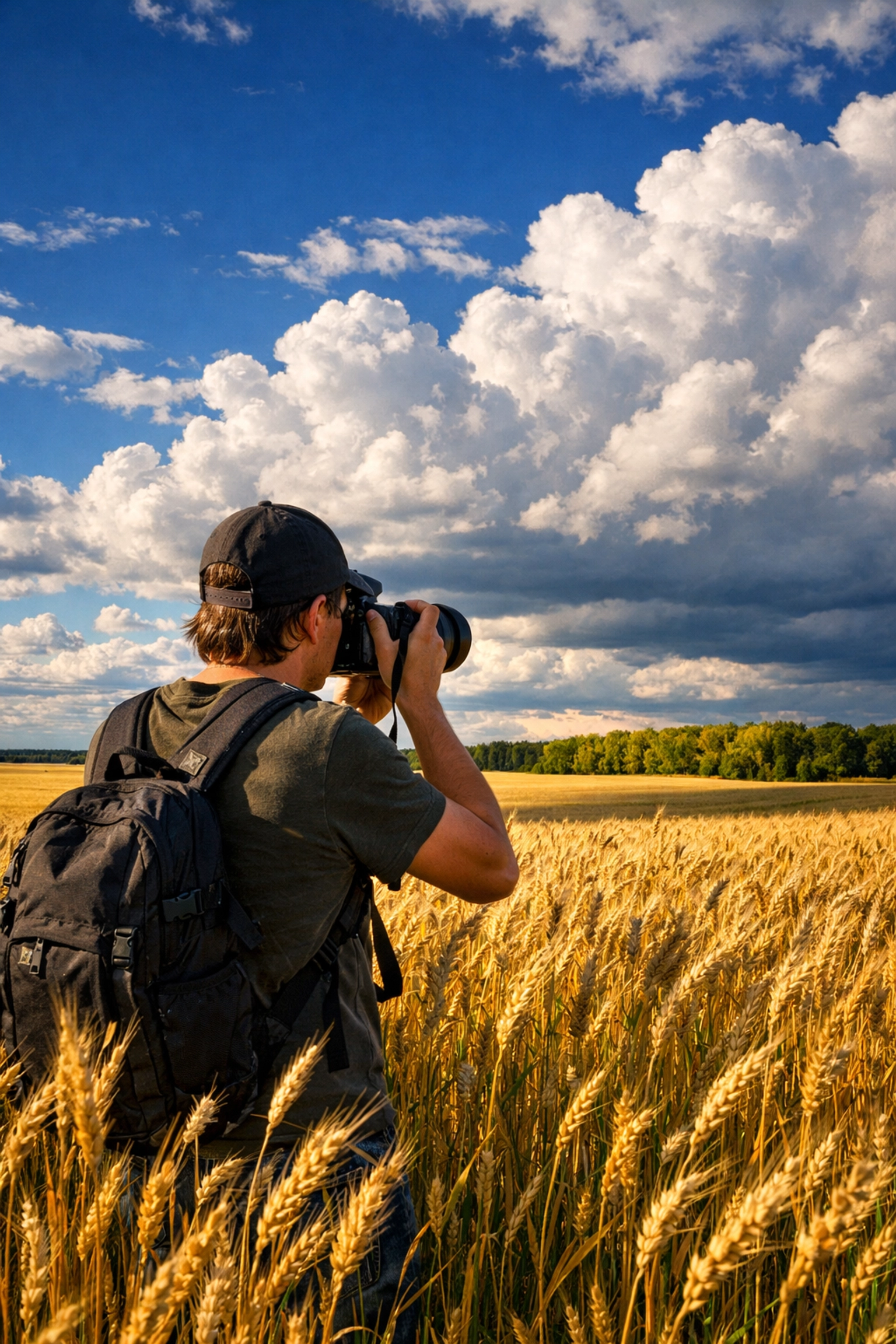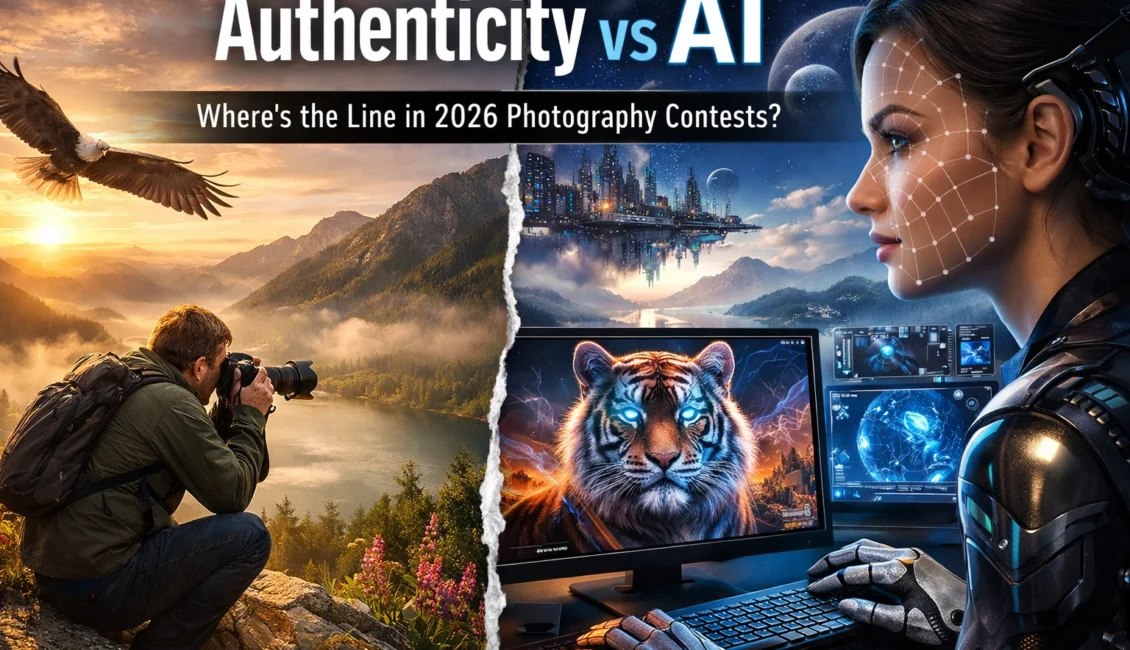
Hey there, Saskatoon photo fam! It’s 2026, and if you’ve picked up a camera (or a smartphone) lately, you know the landscape has changed faster than a prairie thunderstorm. We’ve moved past the "is AI a fad?" phase and straight into the "how do we actually live with this?" era.
For us here at the Saskatoon Photography Club, this isn't just a tech debate, it’s hitting our local competitions, our galleries, and our monthly meetups. As we gear up for a busy spring season, the big question on everyone’s mind is: Where is the line?
Whether you’re a purist who wants every pixel to be "captured, not created" or a digital artist pushing the boundaries of generative fill, we need to talk about the new rules of the game.
The Big Shift: Understanding the New CAPA AI Policy
For those of us who compete at a national level, the Canadian Association for Photographic Art (CAPA) has always been our North Star. In 2026, CAPA has drawn a very clear line in the sand to protect the integrity of photography while acknowledging that the world is changing.
The new policy essentially splits the world into two camps: Nature/Journalism and Open/Creative.
In "Reality-Based" categories, the rules are stricter than ever. If you’re entering a Nature or Photojournalism competition, AI Generative Fill is a hard NO. You can still perform basic "darkroom" tweaks, think cropping, exposure, and white balance, but you cannot add a bird that wasn't there or remove a pesky power line using AI tools. CAPA’s goal is simple: Truth in imaging.
However, in "Open" or "Creative" categories, the doors have swung wide open. CAPA now recognizes that photography is an evolving art form. This means if you want to use AI to expand a background or create a surreal composite, there’s a place for you, but it must be disclosed.
Enhancing vs. Creating: The 2026 Balance
We often hear members ask at our photo reviews, "If I use AI denoise, am I cheating?"
Let’s clear that up right now: No, you aren't.
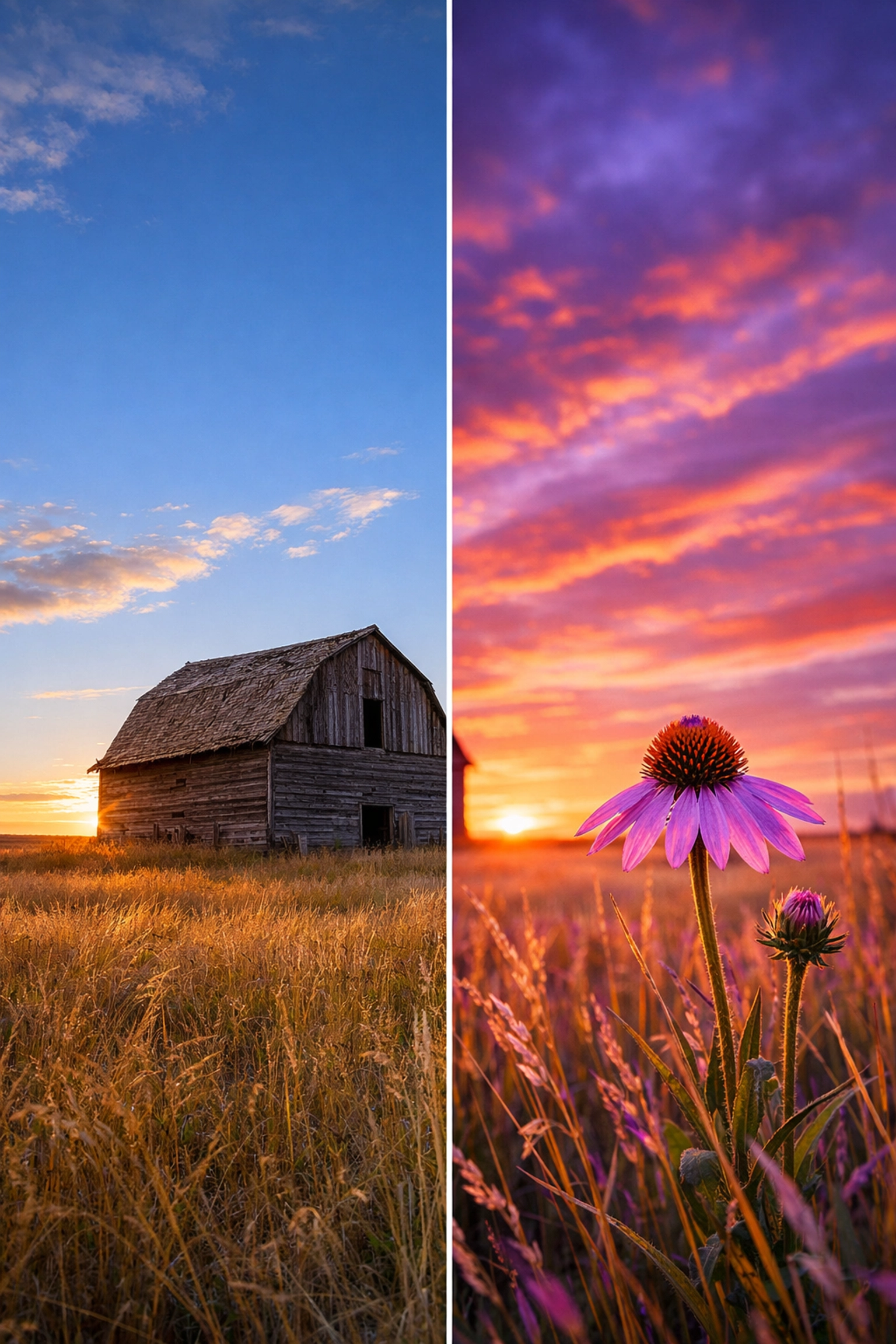
In 2026, we distinguish between Administrative AI and Generative AI.
- Administrative AI: These are tools like AI Denoise, Sharpening, and Upscaling. These tools fix technical flaws in a captured image without changing the content. These are generally welcomed in almost all SPC and CAPA competitions.
- Generative AI: This is where the computer creates pixels that didn't exist in your original scene. Adding a sunset, changing a facial expression, or generating a mountain range.
The balance is tricky. We want you to use the best tools available to make your work shine, but we also want to honor the skill it takes to be in the right place at the right time. If you’re ever unsure about what’s allowed in our local bouts, your first stop should always be the 2026 SPC Handbook. It’s got the full breakdown of our current standards.
A Tale of Two Contests: The Global Perspective
The photography world is currently split into two very different philosophies.
On one hand, we see prestigious awards like the International Visionography Awards fully embracing "Software-Generated Art." They have dedicated categories for AI and CGI, celebrating the "remarkable results" and even the "unexpected imperfections" that come from collaborating with an algorithm.
On the other hand, contests like "A Moment in Time" and the Realme Photography Awards 2026 are doubling down on "Authentic Beauty." Their rules are explicit: No AI, no digital collages, no graphic manipulation. They want to see what your eye saw through the glass.
This divide is why it’s more important than ever to read the fine print. Don't spend hours perfecting a composite only to find out the contest you’re entering is strictly "straight out of camera." If you need a refresher on how images are evaluated, check out our Guide to Judging. It’ll help you understand what judges are looking for when they talk about "impact" and "technique" in this new era.
The Verification Crisis: Can We Still Trust What We See?
One of the biggest challenges we face in 2026 is verification. How do we prove a photo is "real"?
At recent tech shows like CES 2026, there’s been a lot of talk about C2PA standards. This is essentially "digital DNA" embedded in your file that tracks every edit made from the moment the shutter clicks. While many pro cameras now have this built-in, the industry is still catching up.
For our club, we rely on the Honor System and RAW files. If you’re entering a "Nature" category and your shot looks a little too perfect, don’t be surprised if a judge asks to see the original RAW file. It’s not because we don't trust you; it’s because we want to ensure a level playing field for everyone.
Want to see what our members are producing under these new rules? Take a stroll through our Member Gallery. You'll see a mix of stunning, untouched landscapes and incredible digital art: and the best part is, both have a home here!
How We’re Handling it at the Saskatoon Photography Club
We want to be a space where both traditionalists and tech-enthusiasts feel welcome. Here’s how we’re moving forward:
- Transparency is Key: We encourage all members to be open about their process. If you used AI to help create an image, tell us! It’s a great way for all of us to learn how these new tools work.
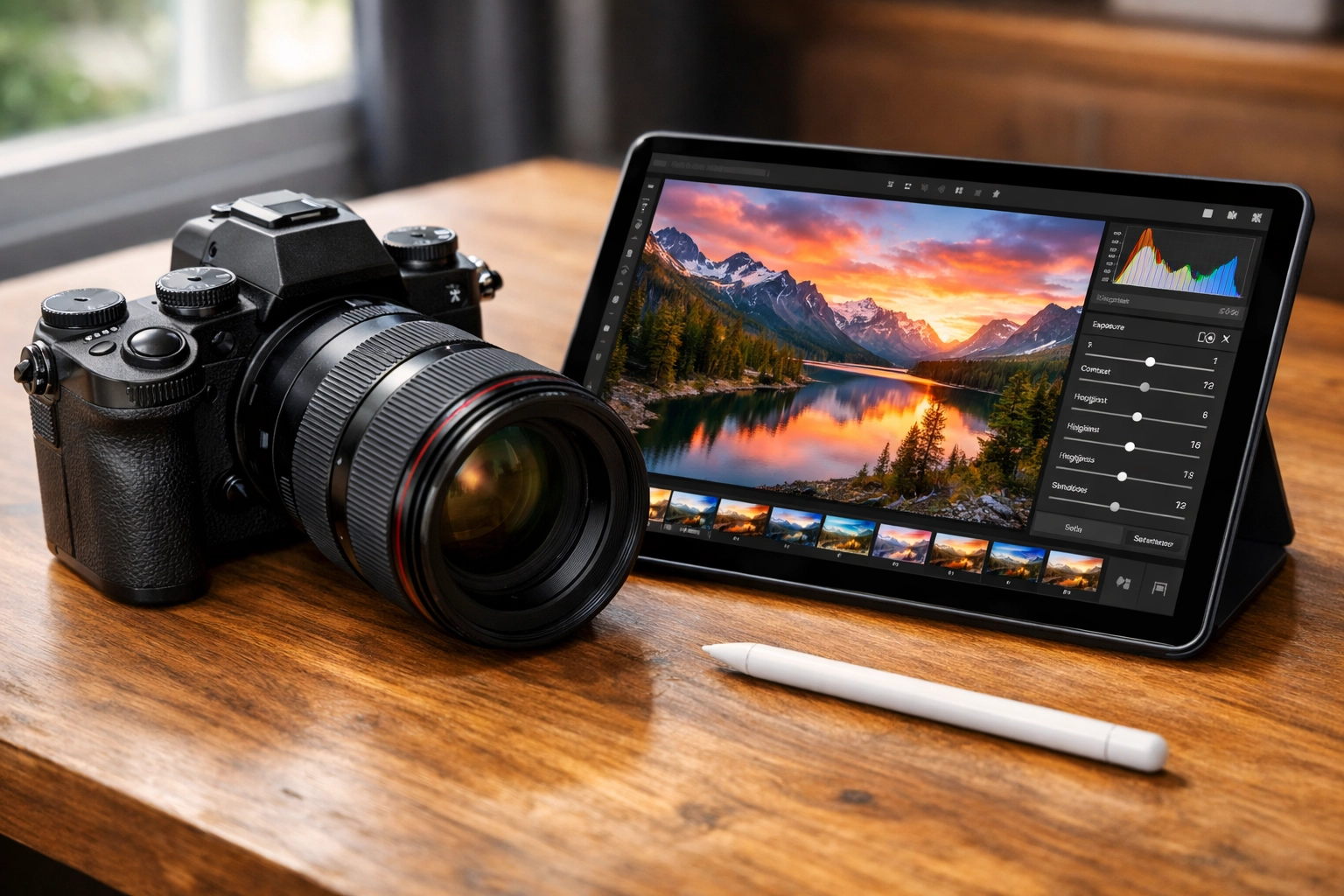
- Education First: We are hosting more workshops on "Ethical Editing." Keep an eye on the Events Calendar for upcoming sessions where we’ll dive deep into Lightroom’s newest AI features.
- Updated Categories: We are continuously reviewing our competition categories to make sure there’s a fair spot for every type of creator.
- Feedback Matters: We want to hear from YOU. Is the line in the right place? Are the rules too strict, or not strict enough?
For a deep dive into our most recent discussions on this topic, I highly recommend downloading the Saskatoon Photography Club Newsletter – March 2026. It features a great op-ed from one of our long-time members about the "soul" of photography in the age of the machine.
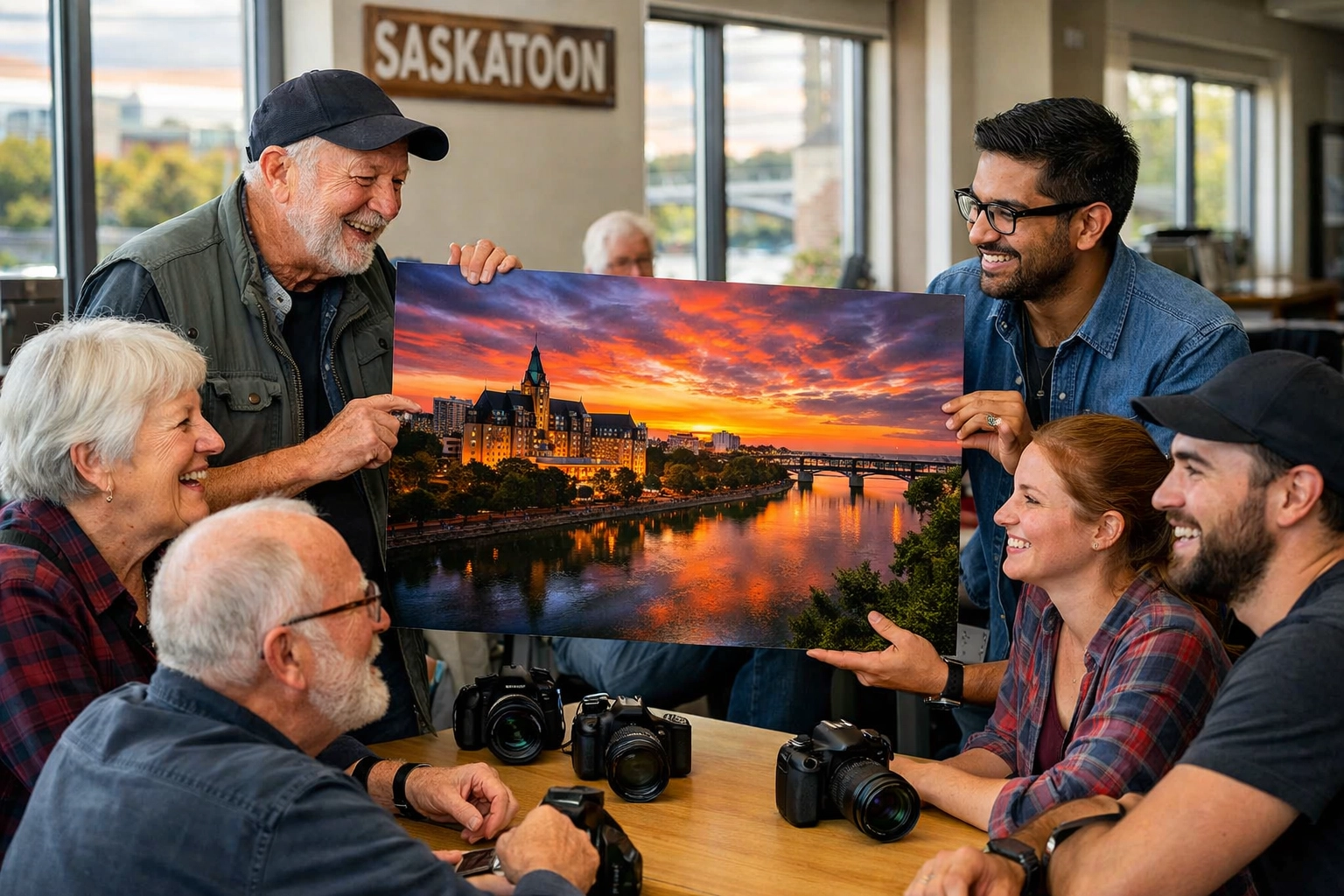
Why Authenticity Still Wins
At the end of the day, a camera is just a tool: whether it’s a 1970s film body or a 2026 AI-integrated mirrorless system. What makes a photo "authentic" isn't necessarily the lack of editing; it’s the intent of the photographer.
A beautiful photo captures a feeling, a moment, or a story. AI can generate a sunset, but it can’t remember the way the air felt at Beaver Creek when you were waiting for the light to hit the valley. It can’t replicate the thrill of finally catching a chickadee in mid-flight during one of our club outings.
That human connection is why we gather every month. We aren't just here to look at pixels; we’re here to share our unique perspectives on the world.
Join the Conversation!
We are so lucky to have such a vibrant, diverse community here in Saskatoon. Whether you’re a pro or you just bought your first camera yesterday, we want you involved in this journey.
Here is what you can do next:
- Check the Handbook: Make sure you're up to date on our 2026 competition rules.
- Attend a Meeting: Come to our next session and join the "Coffee Talk" where we’ll be debating AI ethics in person.
- Share Your Work: Upload your latest shots to the gallery and let us know your process!
The line between authenticity and AI might be shifting, but our passion for great imagery remains exactly the same. Let’s keep shooting, keep learning, and most importantly, keep supporting each other as we navigate this wild new world of 2026 photography.
I encourage ALL of our members to stay curious. The best way to beat the "AI anxiety" is to understand the tools and decide for yourself how they fit into your creative workflow.
See you at the next meeting!
: Scott Prokop
Admin, Saskatoon Photography Club